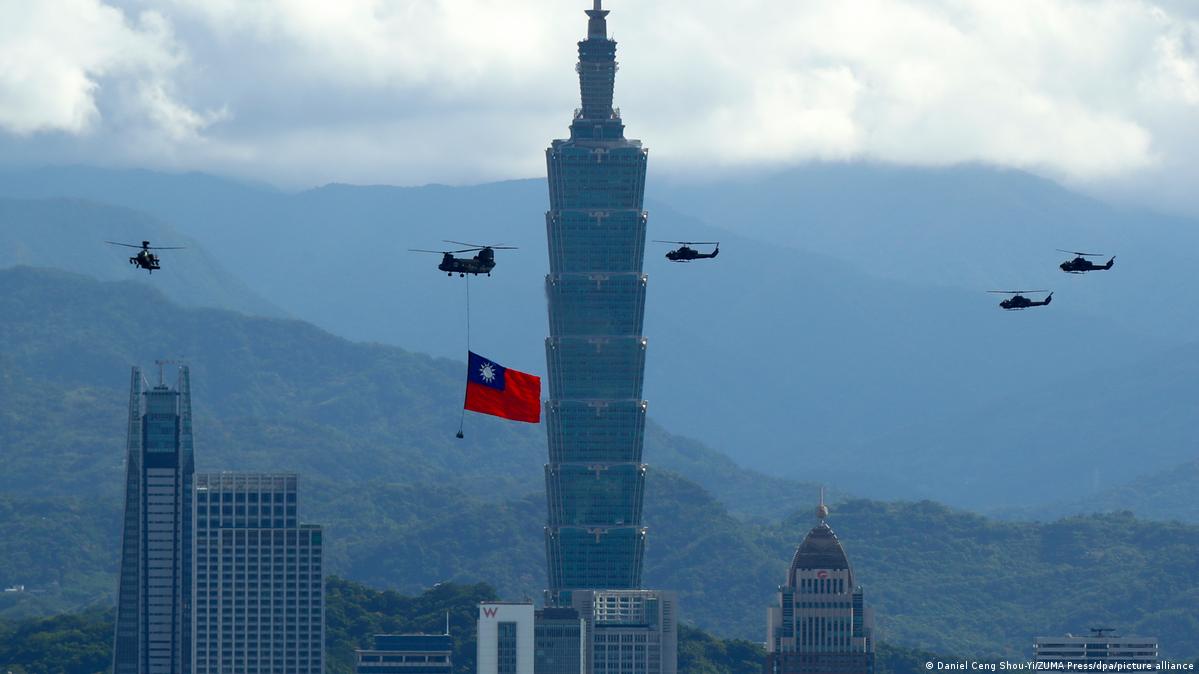
ANALYSIS -The high-stakes apprehend of Nicolasis Maduro by U.S. Delta Force and its ensuing declaration by President Donald Trump that the United States will now run the nation right is a seismic change to international relations in the 21 st century. In addition to the short term crisis in South America this action sends a shiver to East Asia, especially in as far as the delicate position quo in the Taiwan Strait is concerned.
The activity of President Trump can be seen as the sign of the aggressive renaissance of the Monroe Doctrine the policy which claimed the U.S. dominance over the Western Hemisphere in the 21 century. Washington has made it clear that it will no longer entertain aggressive governments in its backyard by ousting a sovereign head of state and placing a temporary American government.
In the case of Beijing this gives it a potent, albeit unwanted rhetorical weapon. The Chinese leadership has always considered Taiwan a domestic issue of backyard. Analysts postulate that now China can find a justification to wage war on Taiwan on the basis of the American example in Venezuela, wherein big powers have a natural right to protect their immediate geographic environment.
The Delta Force operation that freed a sitting president in his own city under the guise of surgery has made the decapitation strike the effective weapon of the contemporary statecraft.
This increases the level of threat in the leadership of Taiwan in East Asia. Should the U.S. be able to successfully kidnap a world leader despite the pretense of fighting against the terror of narco-terrorism or restoring order, Beijing will take all the opportunity to use the same special forces method to overtake the democratically elected officials in Taiwan, just not on the grounds of fighting the terror of narco-terrorism but rather the terror of the separatists.
The possibility of the so-called Grand Bargain between Washington and Beijing exists, as well. The military and financial resources of the Trump administration can easily be strained in case the administration becomes fully occupied in the administrative rebuilding and security reconstruction of Venezuela.
It concerns the observers that Beijing could use this U.S. diversion of attention to step up its naval provocations in the South China Sea or escalate its pressure on Taipei. In its turn, the transactional sphere of influence agreement may appear: Washington gets the Americas, and Beijing gets the free hand in East Asia.
Trump is emphasizing a mercantilist foreign policy by concentrating on the country with the largest proven oil reserves of the world to stabilize, Venezuela. This is the resources-first strategy, which could result in China speeding up its regional supremacy in order to take control of crucial shipping channels and semiconductor supply chains in the Pacific, where control over the economy would become the ultimate reward of territorial conquest.
The downfall of the Maduro regime is not simply a regionalized phenomenon, but it is the first big challenge of a new, unipolar world order in which regional hegemony takes precedence over the old-fashioned sovereignty. With the U.S. flag being metaphorically planted in Caracas, the world watches Taipei with the question of whether soon enough, the precedence in the West would be replicated in the East.


Be First to Comment