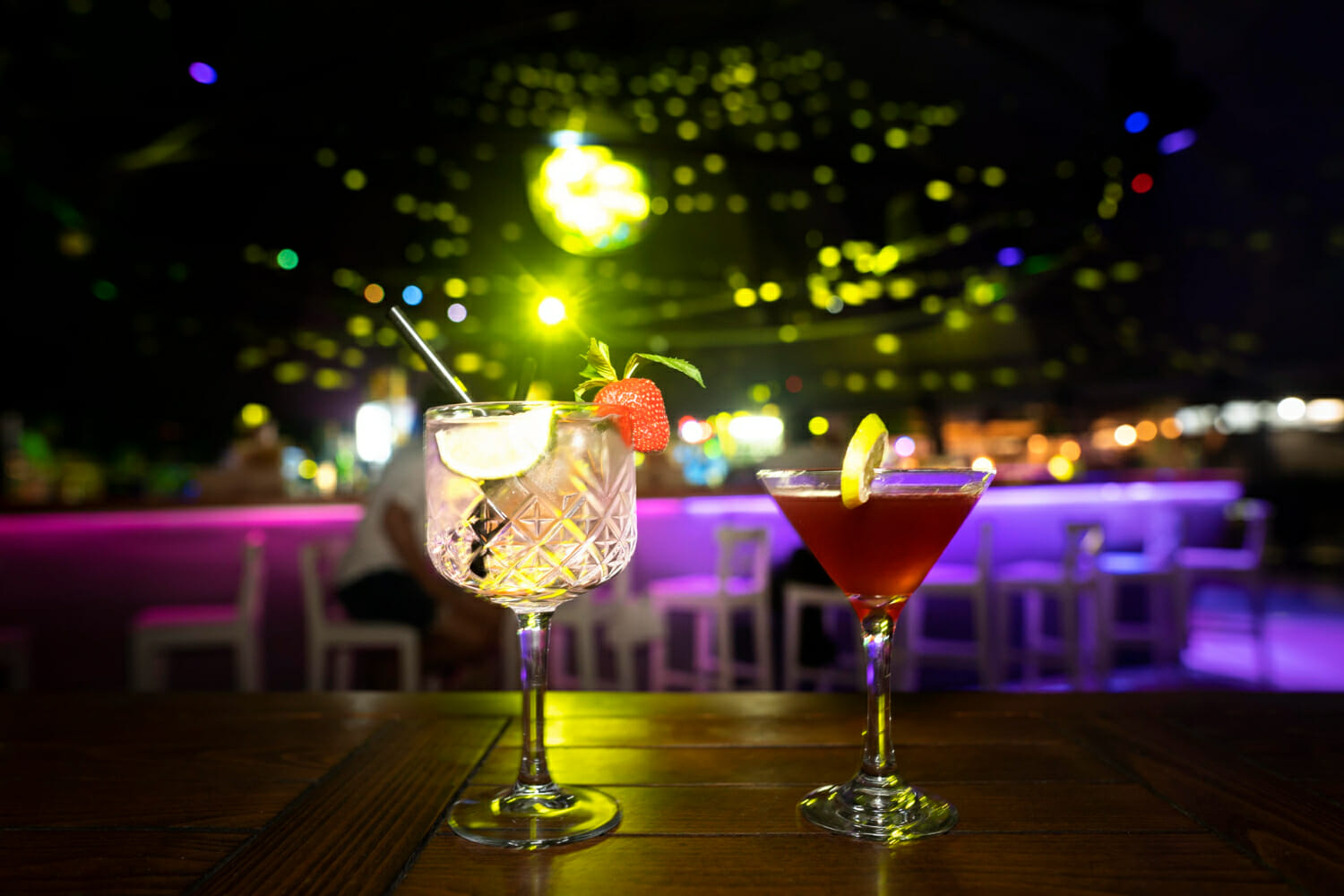
YANGON — As the clock strikes midnight in Myanmar’s major cities, a new and lethal trend is taking hold of the underground nightlife. Beyond the flashing neon lights and pounding bass of secretive “Hi Rooms,” a potent drug cocktail known as “Happy Water” has become the centerpiece of a burgeoning urban narcotics market.
Since the 2021 coup, the collapse of traditional law enforcement and a growing sense of hopelessness among the youth have fueled a shift toward high-intensity, synthetic drug use in Yangon, Mandalay, and even the capital, Naypyidaw.
1. The “Hi Room” Culture: Luxury Meets Lawlessness
In 2026, the drug scene has migrated from public dance floors to private, soundproofed sanctuaries known as “Hi Rooms” (ဟိုင်းခန်း). These are luxury KTV suites or specially renovated apartments where users pay anywhere from 500,000 to 700,000 Kyats for a single night of privacy, DJ services, and narcotics.
- Target Audience: Primarily youth aged 20 to 35, including the children of the wealthy and military elite, as well as those desperate for an “escape” from the country’s political turmoil.
- The Cost: A single sachet of Happy Water now costs between 450,000 and 700,000 Kyats, often shared among a group of five to seven people.
2. What is “Happy Water”?
“Happy Water” is not a single drug but a dangerous, unstandardized mixture of various psychoactive substances. According to medical experts and those within the trade, a typical sachet may contain a “batch-dependent” blend of:
- Ketamine (K): An anesthetic that induces a “detached” state.
- Ecstasy (E): Provides energy and emotional highs.
- Methamphetamine (Ice): Increases intensity and alertness.
- Tramadol & Diazepam: Added to modulate the “high,” often leading to unpredictable respiratory effects.
The powder is typically dissolved into sweet drinks, alcohol, or cocktails, making it easy to consume—and even easier to overdose on.
3. The Supply Chain: From the Border to the Booth
Despite official claims of seizures by the Central Committee for Drug Abuse Control (CCDAC), the market remains flooded. Intelligence suggests that the primary supply routes originate in the Golden Triangle and the conflict-ridden borders of Northern Shan State (specifically the Laukkai region).
Industry insiders reveal that the trade flourishes under a system of “protection fees” paid to local authorities. “The routes are pre-cleared,” one distributor claimed. “Sachets are so small and look so much like common collagen powder packets that they are moved into cities with almost zero risk of inspection.”
4. The Medical Toll: A Generation at Risk
The danger of Happy Water lies in its inconsistency. Because each batch is mixed manually by traffickers, the concentration of ingredients varies wildly.
- Overdose Risk: Doctors in border and urban hospitals report an increase in patients arriving with “batch-induced” overdoses—ranging from extreme aggression and hallucinations to respiratory failure and death.
- The DJ Factor: In Hi Rooms, DJs are hired to “read the mood” of the users, playing specific tempos to peak the drug’s effect. This psychological and auditory stimulation often pushes users to consume more, leading to a higher risk of heart failure.
A Silent Crisis
As Myanmar remains the world’s top opium producer in 2026, the urban shift toward synthetics like Happy Water represents a different kind of threat—one that targets the mental and physical health of the urban workforce. With the authorities focused on internal security and political suppression, the “Happy Water” epidemic continues to flow largely unchecked through the Hi Rooms of Myanmar’s cities.





Be First to Comment