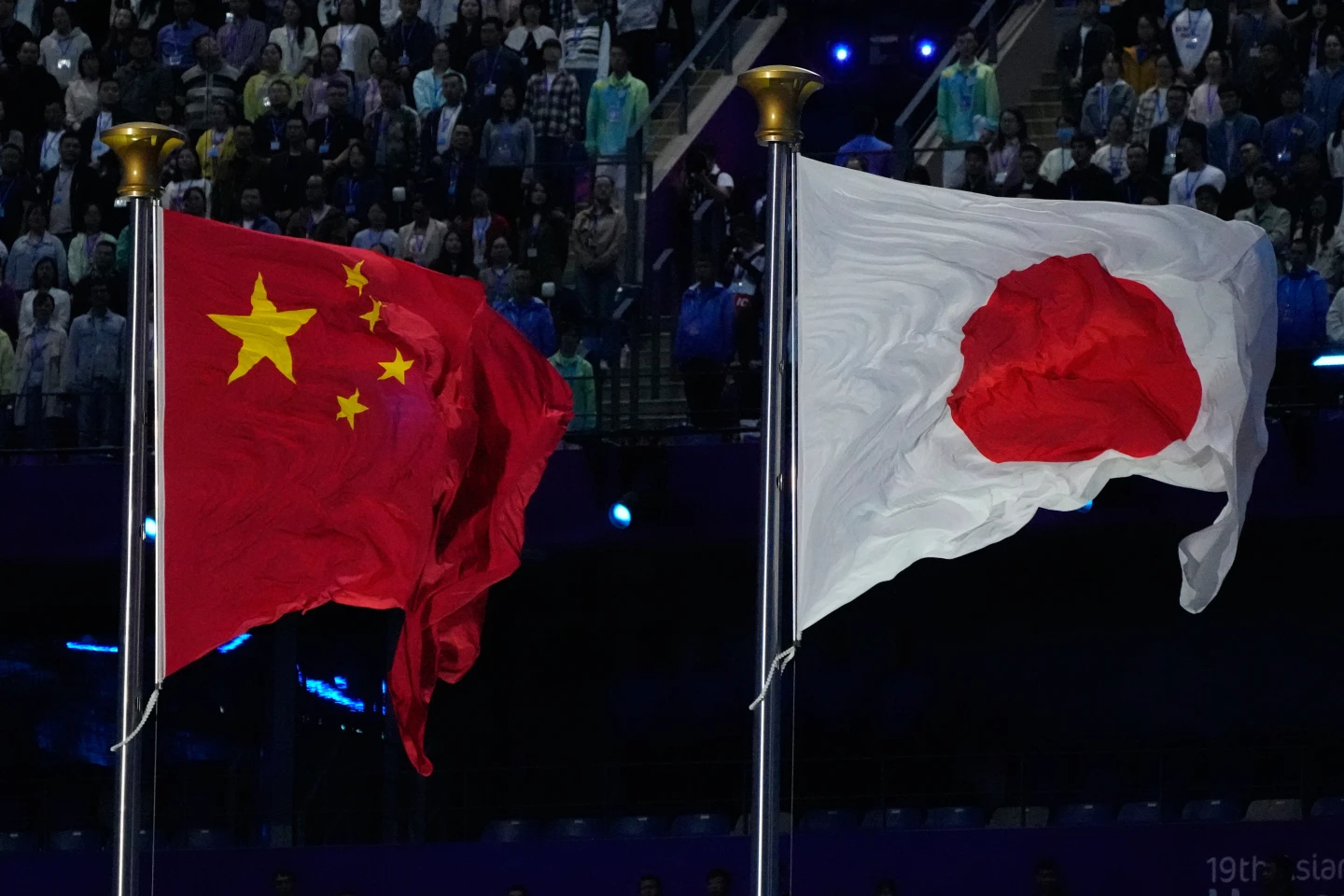
TOKYO / BEIJING — As the first month of 2026 unfolds, the longstanding rivalry between Asia’s two largest economies has shifted from diplomatic posturing into a high-stakes economic and security confrontation. The “bumpy week” that concluded on Friday marks a turning point where trade is now being used as a primary weapon of political coercion.
Here is an analysis of the key drivers and the likely trajectory of this escalating dispute.
Trade as a Tactical Weapon
Beijing’s refusal to retract export controls on “dual-use” items and rare earths is a direct strike at Japan’s high-tech industrial base. With Japan relying on China for roughly 70% of its rare earth imports, the “dual-use” ban threatens the global supply chain for electric vehicles (EVs) and advanced weaponry.
The reported holdup of Japanese sake and processed foods in Chinese customs is a classic example of “gray-zone” economic pressure. By targeting cultural symbols and agricultural exports, Beijing is attempting to spark domestic political pressure within Japan against the Takaichi administration.
The “Taiwan Factor” and New Militarism
The primary catalyst for this recent friction is Prime Minister Sanae Takaichi’s outspoken stance on Taiwan. Her suggestion of potential Japanese intervention in a Taiwan conflict has breached Beijing’s “red line.”
China’s state media rhetoric, specifically targeting Japan’s “right-wing” and warning of a return to “militarism,” serves two purposes:
- Domestically: It stirs nationalist sentiment within China.
- Regionally: It reminds Southeast Asian and Pacific nations of Japan’s 20th-century imperial history to undermine Tokyo’s current diplomatic influence.
Diplomatic Isolation and the South Korea Pivot
In a masterful display of “divide and conquer” diplomacy, Beijing has pointedly embraced South Korean President Lee Jae Myung. By signing major contracts and easing travel restrictions for South Koreans while simultaneously blacklisting Japanese goods, China is attempting to fracture the trilateral security alignment between the U.S., Japan, and South Korea.
Based on current trajectories, three scenarios are likely to emerge in the coming months:
- Supply Chain Decoupling: Japanese firms (like Toyota and Sony) will likely accelerate their “China Plus One” strategy, moving manufacturing more aggressively into Southeast Asia (Vietnam, Thailand, and India) to mitigate the risks of Chinese export bans.
- A New Arms Race: If Japan perceives that U.S. support under the second Trump administration is transactional or insufficient, the “right-wing” faction in Tokyo may push for even greater military autonomy, potentially revisiting the debate over nuclear deterrence.
- Protracted Custom Wars: Expect further “tit-for-tat” trade barriers. Japan may retaliate by limiting the export of high-end semiconductor manufacturing equipment to China, mirroring actions taken by the U.S. and the Netherlands.
The Bottom Line
The China-Japan relationship has entered a “zero-sum” phase. With neither side willing to lose face—and with the Taiwan issue becoming more volatile—the risk of a miscalculation in the East China Sea is at its highest level in decades. For regional neighbors, the challenge will be navigating the economic fallout as the two giants continue to weaponize their interdependence.






Be First to Comment