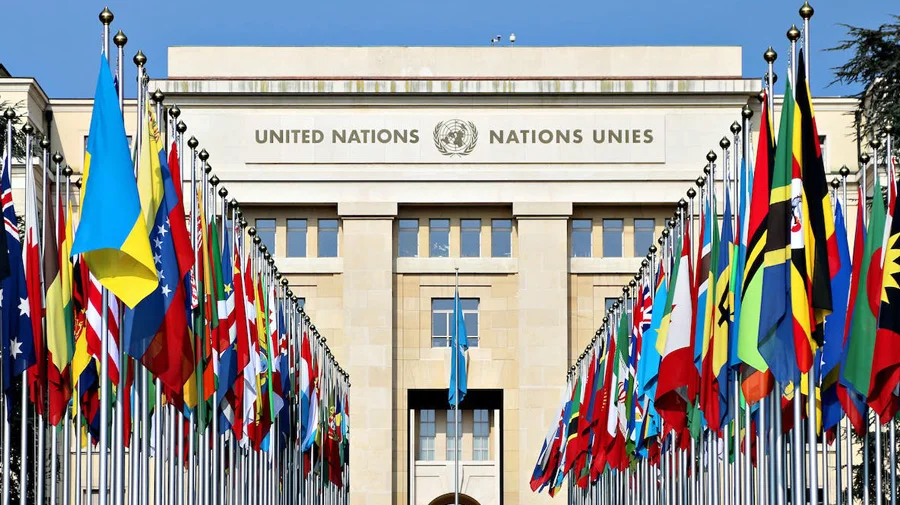
ANALYSIS — For over eight decades, the United Nations (UN) stood as the ultimate arbiter of global peace. However, as of early 2026, the institution is struggling to remain relevant in a world increasingly dominated by “hard power” and transactional diplomacy. Once the centerpiece of global governance, the UN is now facing a trifecta of crises: financial bankruptcy, structural paralysis, and a growing disregard for international law.
1. The Financial Breaking Point
The most visible sign of the UN’s decline is its empty coffers. Secretary-General António Guterres recently announced a staggering 15.1% budget reduction for 2026, driven by a record $1.59 trillion in unpaid dues from member states.
- Job Cuts: The 2026 budget mandates the elimination of approximately 2,900 to 6,900 staff positions across the global Secretariat.
- Mission Shrinkage: Vital humanitarian and peacekeeping operations are being scaled back or terminated. For the first time in decades, the UN is forced to “triage” which global crises it can afford to monitor, leaving millions in neglected conflict zones like Sudan and Myanmar with dwindling support.
2. Security Council: The Theater of Deadlock
The UN Security Council (UNSC) has largely devolved into a venue for performative diplomacy rather than conflict resolution. The frequent use of the Veto Power by the P5 (Permanent Five) has rendered the Council “clinically dead” on the most pressing issues of the decade.
- The Veto Trap: In 2025 and 2026, the Council remained paralyzed over Ukraine, Gaza, and the U.S. intervention in Venezuela. Each superpower now uses the UN not to solve problems, but to block their rivals from acting.
- Loss of Deterrence: When sovereign states—most recently seen in the South American theater—act unilaterally without UN authorization, it shatters the myth that the UN is the sole gatekeeper of international legitimacy.
3. The Rise of “Mini-lateralism”
As the UN becomes less effective, nations are bypassing the New York headquarters in favor of regional and “mini-lateral” groupings.
- Regional Alternatives: Organizations like ASEAN, the BRICS+, and the G7 are increasingly handling security and economic negotiations that were once the UN’s domain.
- Direct Intervention: The recent U.S. move to “temporarily administer” Venezuela underscores a shift back to 19th-century “spheres of influence,” where the UN Charter is treated more as a suggestion than a binding legal framework.
4. Impact on the “Forgotten Conflicts”
For countries like Myanmar, the UN’s decline has dire consequences. Without a unified Security Council and with a shrinking humanitarian budget, the UN’s role in Myanmar has been reduced to “monitoring and reporting.” In 2026, the funding for Myanmar’s humanitarian response fell by nearly 30%, leaving displaced populations vulnerable to escalating airstrikes and food insecurity.
Reform or Relic?
The UN is at a crossroads. While it remains “indispensable” for providing a neutral forum and a massive humanitarian safety net, its political heart is failing. Unless the 2026 General Assembly can push through a radical reform of the Security Council and secure a stable funding model, the UN risks becoming a “digital-age League of Nations”—an expensive talk shop that watches from the sidelines as the world returns to an era of unbridled power politics.




Be First to Comment