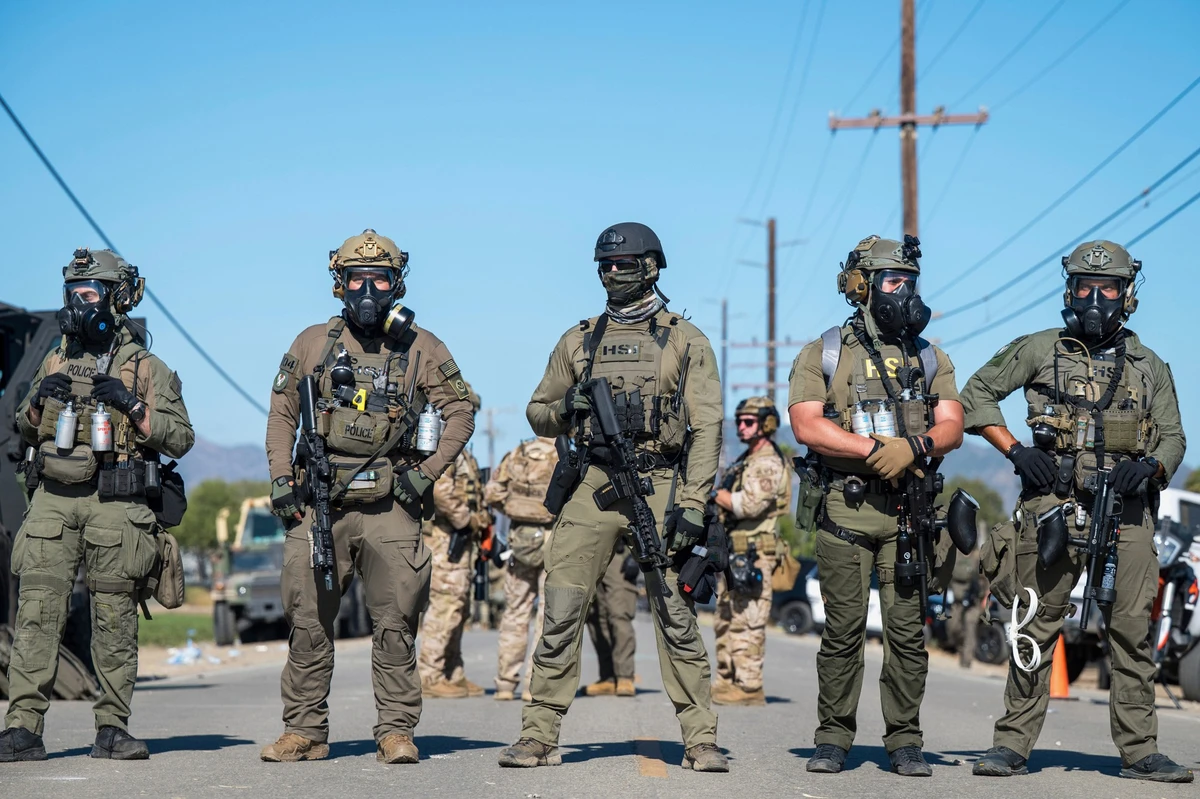
MINNEAPOLIS — The streets of Minneapolis have once again become the epicenter of a national debate over federal power. On January 7, 2026, the fatal shooting of 37-year-old Renee Nicole Good by an Immigration and Customs Enforcement (ICE) officer ignited a firestorm of protests, highlighting the aggressive new tactics of a reorganized and emboldened agency.
Since President Trump’s return to the White House, ICE has shifted from a background regulatory body to a frontline paramilitary force, executing mass arrests in broad daylight and high-traffic public spaces.
The Transformation of ICE: From 9/11 to 2026
Originally established under the Homeland Security Act of 2002 as a response to the September 11 attacks, ICE’s mandate has been drastically widened in this current term.
- Expanded Resources: The agency has seen record-breaking budget increases, with personnel redirected from other federal agencies to bolster its domestic “arrest teams.”
- Operational Overlap: In 2026, the lines between Border Patrol (CBP) and ICE have blurred. Over 2,000 federal officers were deployed to the Minneapolis operation alone, utilizing tactics traditionally reserved for high-stakes tactical raids.
The Use of Deadly Force: A Legal Shield
The shooting of Renee Good—a mother of three and a legal observer—has brought the agency’s “Use of Force” policy under intense scrutiny.
- The “Reasonable Belief” Clause: Under DHS guidelines updated in late 2023, officers are permitted to use deadly force if they “reasonably believe” there is an imminent threat of death or serious injury.
- Supreme Court Leniancy: Historically, the U.S. Supreme Court has granted broad immunity to federal officers making split-second decisions. This legal precedent often shields ICE agents from local prosecution, even when civilian casualties occur.
The Victim: A “Domestic Terrorist” Label?
Renee Good was known in her community for documenting ICE activities to ensure legal compliance. Following her death, the Trump administration officially labeled her a “domestic terrorist,” a move critics claim is designed to stifle dissent and justify the officer’s actions. Protesters carrying “Justice for Renee” banners argue that her killing represents a “war on oversight.”
.2025 Retrospective: The Scale of Mass Deportation
The data from the first year of the current administration reveals the unprecedented scale of the current immigration crackdown:
| Category | Totals (Jan 20, 2025 – Dec 10, 2025) |
| Formal Deportations | 605,000 individuals |
| Voluntary Departures | ~1.9 million individuals |
| Current Detainees | 65,000 (as of Nov 30, 2025) |
A Divided Public Pulse
Public opinion in early 2026 remains deeply fractured. While 36% of Americans support these aggressive methods as a necessary measure for national security, a majority (53%) believe the government has gone “too far,” citing the detention of over 170 U.S. citizens in error during the first nine months of the term.
The Road Ahead
The Minneapolis shooting is likely the first of many confrontations in 2026. As federal agents continue to wear masks to conceal their identities and operate in “Sanctuary Cities” against the wishes of local mayors, the constitutional tension between state and federal authority is reaching a breaking point.









Be First to Comment